

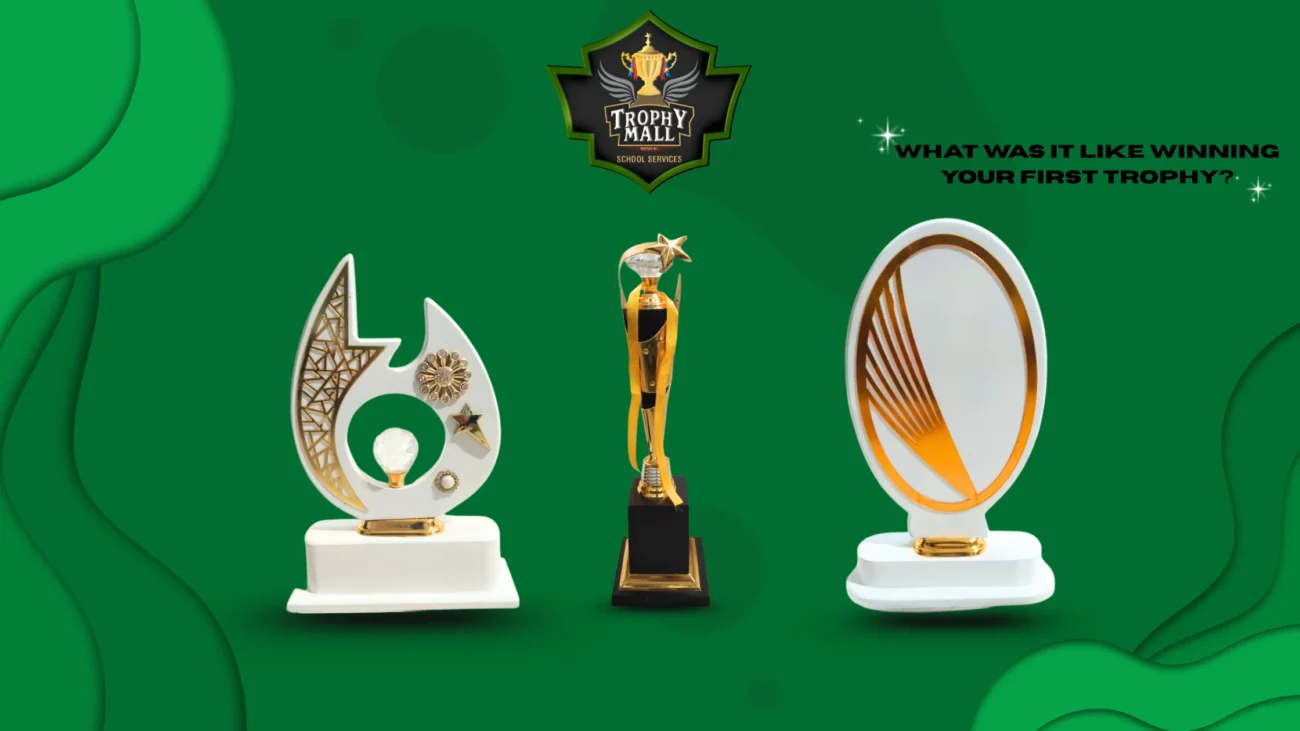
First Trophy Win Experience?
A trophy, caught unexpectedly one afternoon, shifts something quiet inside. That moment – hands gripping metal, crowd noise fading – marks more than victory. It whispers: you belong here. Firsts stick around longer than most realize. A shift happens, subtle, almost unnoticeable. Confidence arrives dressed as doubt at first. Recognition from others lands differently now. What felt uncertain before gains weight. Effort suddenly seems worth the shape it leaves behind. The path ahead looks less like guessing, more like stepping into lit rooms.
A win like that – one tied to a first-ever trophy – changes how people see themselves. Reactions often surprise even those close to the winner. Feelings shift, sometimes fast, bringing new confidence or quiet doubt. Motivation afterward might grow stronger, yet it can also stumble under pressure. What comes next depends less on applause and more on inner balance.
First trophy matters
A single award marks a clear sign of hard work, skill, or success. This kind of symbol carries meaning beyond its shape – its presence speaks of time spent pushing forward. Because it exists, others notice what was done. Since it stands there, it reminds the winner too. Not just metal or plastic, but proof that something real happened. When someone sees it, they see more than an object. Though small, it often holds weight in memory long after
A fresh nod to how well things were done lights up the moment. Skill on display gets a clear mark of notice. What stood out earns its quiet spotlight.
A trophy shows effort wasn’t wasted. When you reach that point, it means time spent training actually mattered. Reaching the top step doesn’t lie – what you put in came out. Proof hides in the weight of the award, silent but clear. All those early mornings add up to something real. Success like that speaks without words.
A single award often shows someone has started to stand out. Recognition begins when effort meets result, not before.
Right off, some people see this first step as a way to measure what comes next.
First Trophy Reactions
People often act in noticeable ways after getting an honor for the first time
Achievement shows in quiet confidence. Recognition from others adds weight to what one has done. A nod from someone respected can mean just as much as reaching the goal itself.
A spark of progress can grow when someone feels their effort is seen. Good things tend to keep happening when they’re met with a nod, a smile, or something valued. Effort flows more freely if it leads somewhere real.
Award winners often feel more capable when it comes to that particular skill. Their belief in what they can do grows after being recognized.
People close to you noticing your efforts can mean more than praise alone. Sometimes a nod from family carries weight others don’t. A friend acknowledging what you’ve done might quietly shape how you see yourself. When those around you take note, it sticks differently than applause from strangers.
A loop forms when actions feed into desire, then shape new targets. Goals spark effort, which reshapes what comes next. Each step pulls from the last, pushing forward without pause.
Effects on Mind and Society
A single victory might shift how someone sees themselves. That moment could alter friendships or rivalries around them. Sometimes confidence grows where doubt once sat. People may start treating the winner differently without realizing it. A quiet change begins, not loud but steady. How others respond often reflects their own hopes too
Psychological Impact:Boosts self-esteemSticking to a routine builds self-control while working hard strengthens persistenceDevelops a competitive mindset
Boosts self-esteem
Sticking to a routine builds self-control while working hard strengthens persistence
Develops a competitive mindset
Social Impact:Encourages peer acknowledgmentGetting noticed often happens where people gather – like squads, classes, or groups that meet regularlyInspires others to pursue similar goals
Encourages peer acknowledgment
Getting noticed often happens where people gather – like squads, classes, or groups that meet regularly
Inspires others to pursue similar goals
A surprise sense of belonging can grow after someone wins something. This quiet boost from others may push them to do more of what earned the prize in the first place. What follows is not always planned – just repeated effort shaped by unseen nods and glances. Little moments of approval, mixed with personal pride, pull attention back toward that same task again.
First Trophy Experience Influences
For some, winning that initial prize changes everything. Depending on the situation, it might mean little at all. A debut award could spark real momentum. Sometimes it’s just another result. What matters is where you are when it happens. Not every milestone feels monumental right away
Achievement in sports brings a certain kind of acknowledgment. School success shapes how others see your effort differently. Creating art often leads to quieter forms of notice. Work accomplishments tend to be noticed in more structured ways.
A single town’s contest might feel small. When teams gather from across several counties, attention grows. Big events that pull people nationwide? Those tend to stick in memory longer.
How kids see trophies can differ from adults. Their understanding shifts as they grow, shaped by how their minds and social skills develop over time.
Fueled by how much someone puts into getting ready, working hard, or growing their abilities – winning feels better when built on personal groundwork. Satisfaction grows not just from victory itself but from what came before it. What counts most is the unseen hours shaped into progress. A win carries more weight if earned through steady growth. Effort laid down earlier echoes during that moment of success.
Award events that include a ceremony often make trophies feel more special. How they are given matters just as much as the design. Moments like these stick because of how they unfold. The setting shapes what people remember later.
Long Term Impact After Winning First Trophy
It turns out, hitting that milestone – winning a first award – sticks around in noticeable ways over time
People often join in again when they’ve done it before. Getting involved once makes another round feel familiar. Doing something a second time isn’t strange if there was a first. Past involvement shapes future choices without forcing them. Experience with an activity lowers hesitation later on.
What happens at the start can shape how people map out their next steps. Planning tends to follow when achievements get noticed early on.
Seeing progress can push someone to keep learning new things. A nod of approval often leads to extra effort down the road. Growth tends to follow when people feel their work is noticed. Sometimes a small acknowledgment lights the next step forward.
Starting off, early awards usually get gathered to show how someone has grown. These keepsakes mark progress across months or years. A person might look back at them to see change happen slowly. At first glance, they seem small – yet each one holds effort made long ago.
First Trophies Varieties
Some first prizes depend on what you’re doing. A race might hand out a medal. Building something could earn a certificate. Winning at chess? Maybe a small statue. Games often give ribbons. Crafts sometimes lead to badges. Each contest picks its own reward. The starting win fits the effort
Shiny cups handed out after a race. Tiny statues given when someone wins. Medals placed around necks at finish lines. These mark victories in games where people test speed, strength, or skill.
Awarded for strong grades, these sit on shelves – shiny shields, engraved plates, small metal discs. Some show names, dates etched deep. Others carry school crests pressed into silver-toned surfaces. Each marks a moment of effort paid off. Not just decoration – they mean late nights were noticed.
Shiny figures, glass awards, or engraved plates given out at arts events. Some honor how someone performed, others mark that they took part. Objects handed over during ceremonies celebrating creative effort. Not always big names getting them – sometimes just showing up earns one.
Awarding staff with a plaque might happen after strong results. Sometimes a certificate appears on someone’s desk for good work. Trophies of small size show up too when goals get met.
Every kind begins the same – one prize marks when hard work finally shows. It’s not about what it is, rather what it means: proof that trying led somewhere real.
First Trophy Award Practical Tips
When setting up recognition programs for people getting awards the first time, groups usually think about these things:
Starting at low prices, basic awards still carry weight. Though small in cost, they matter just the same.
Names, dates, or special moments etched on items make them feel more personal. What stands out is how a single detail ties it directly to someone’s experience.
Choosing what to make it from? Think about how long it needs to last, plus how it should look – plastic might work, or maybe resin. Wood gives a certain feel, while acrylic shines differently. Metal stands strong when things get tough.
Award moments gain weight when structured with care. A planned setting lifts how people see the honor. Recognition sinks in deeper because of it.
Conclusion
A trophy picked up for the first time marks more than just victory – it signals approval, sparks drive, fuels belief. Confidence grows when others notice what you’ve done. That moment on stage shapes how hard someone works later, affects choices they make about goals. Learning sharpens because proof of ability sticks around long after the applause fades.
Starting strong matters more when trophies carry a personal touch. A well-chosen moment to hand them out helps too. Not every detail needs explaining – what sticks is how it feels. Small changes in design can speak louder than tradition. Recognition works best when it matches effort, not just results. How they’re given often shapes memory more than the object itself.
Shop Now: https://trophymall.shop/product-category/cricket-trophies/
Visit our Instagram to know more